




Its unique combination of exceptional strength and ultra-light weight unlocks possibilities once thought impossible. Carbon-fiber-based materials are used in a variety of applications where weight savings, emissions reduction, durability, and energy efficiency are key performance factors.
Carbon Fiber
Carbon Fiber:
Shaping a Stronger Future
Carbon fiber is a highly strategic material offering innovative solutions, involving efficient usage of resources, to the world’s primary problems like increasing efficiency of wind turbines, reducing fuel consumption in vehicles, and strengthening infrastructure and structures against earthquakes.
faq
Information About
Carbon Fiber
Carbon fiber is a transformative material that combines lightness and strength, driving innovation and shaping the future of strategic industries.

What is Carbon Fiber?
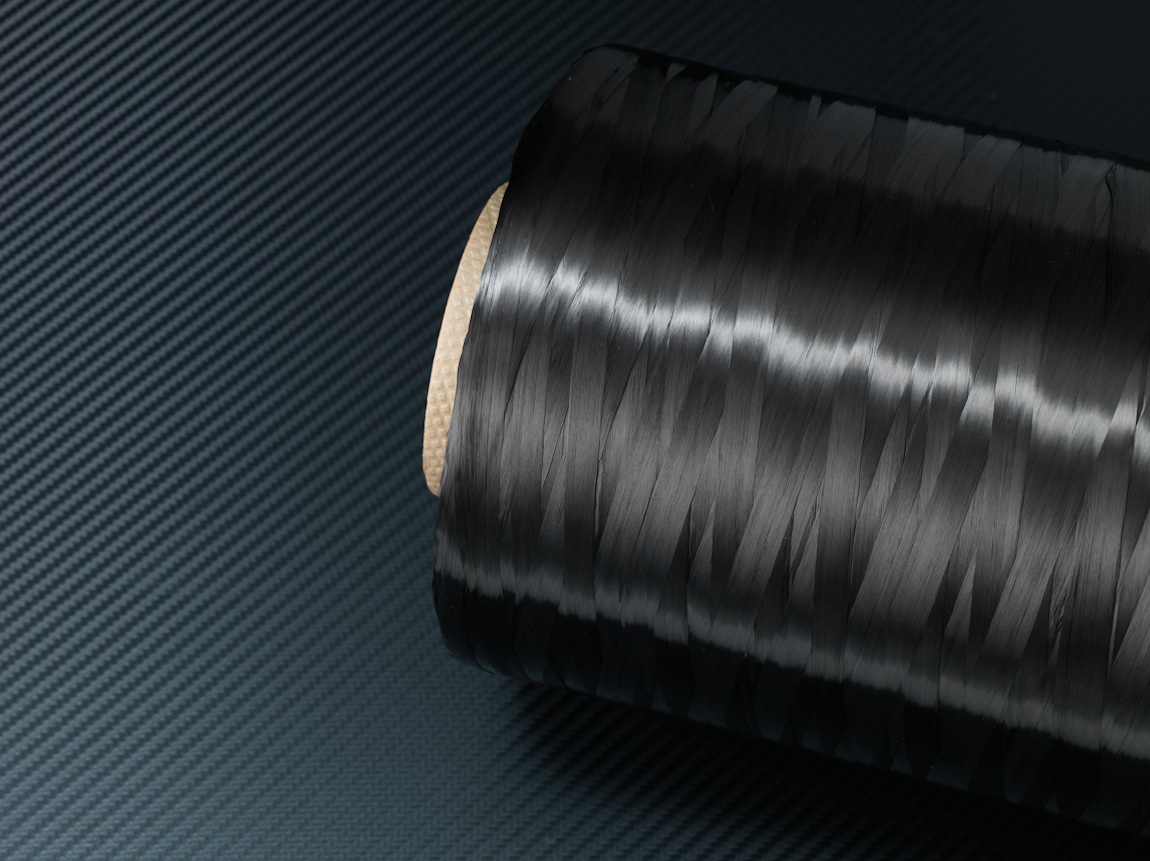
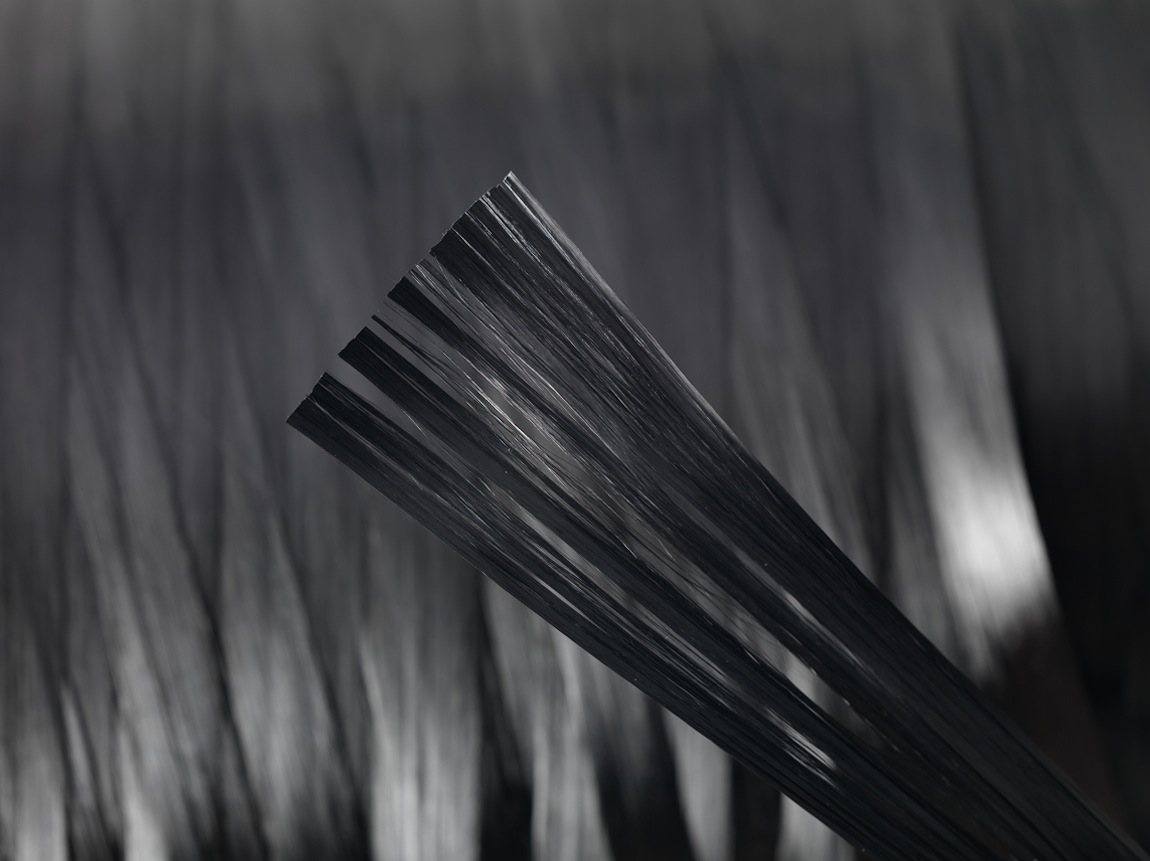
Carbon fiber is an extremely strong, stiff and lightweight material, superior in strength to conventional metal materials. It is technically known as fiber containing at least 95% carbon atoms bonded together. It consists of very thin strands of carbon (typ. 5-7 µ in dia.), even thinner than human hair. The strands can be twisted together, like yarn. The yarns can be woven together like cloth, which is used to make composite parts. Carbon fibers are produced in tows (yarns) ranging from 1.000 filaments (1k), to 3k, 6k, 12k, 24k, 50k, etc.
What are its advantages over other materials?
When used with a bonding polymer, like a stiff resin or plastic, the strength-to-weight ratio (as well as stiffness-to-weight ratio) of carbon fiber is much higher than either steel or aluminum.
5 times stronger than steel
2 times stiffer than steel, aluminum and glass fiber
4 times lighter than steel
2 times lighter than aluminum and glass fiber
Corrosion and fatigue resistance